Salsa Was Made in New York, Not in the Caribbean
The Fania Records label — founded in New York in 1964 — synthesised Cuban son, Puerto Rican rhythms and jazz into what became known as salsa. This piece names the Fania All Stars recordings, the Cheetah Ballroom concert (1971) and the label's collapse as the documented arc of the form.
1964 — Fania Records founded in New York by Johnny Pacheco and Jerry Masucci
Photo: Optical Chemist / PexelsThe Bronx, a Ballroom, and a Label That Named a Genre
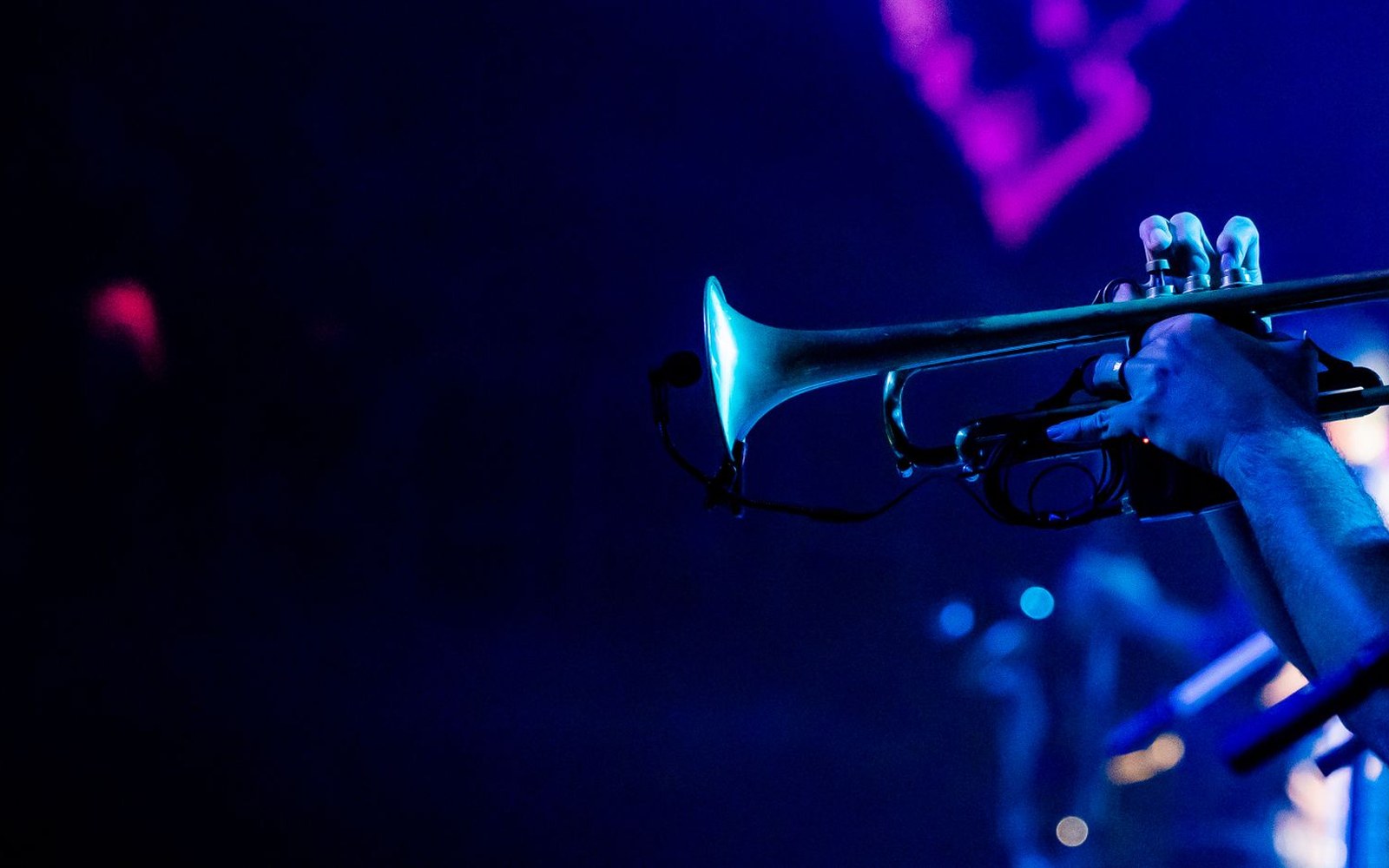
Brass and requinto on a small stage: the format radio files as regional Mexican.
Photo: Caleb Oquendo / PexelsFania Records did not discover salsa — it manufactured the category. Founded in New York in 1964 by musician Johnny Pacheco and lawyer Jerry Masucci, the label synthesised Cuban son, Puerto Rican rhythms, jazz harmonies and the streetwise energy of the South Bronx barrio into a commercial and cultural package that needed a name. Salsa — Spanish for sauce, used loosely in the Caribbean for decades to mean musical heat — became that name, and Fania made it stick.
The synthesis was deliberate and specific. Son montuno, the Cuban call-and-response form built on the clave rhythmic pattern, provided the skeleton. New York's Puerto Rican community brought their own rhythmic sensibility and, crucially, an audience hungry for music that sounded like where they actually lived rather than where their grandparents had been born. Jazz-trained arrangers — Louie Ramírez, Larry Harlow, Willie Colón — layered in brass voicings that owed as much to the big-band tradition as to anything from Havana.
The clearest proof of what Fania had assembled came on August 26, 1971, at the Cheetah Ballroom on West 52nd Street in Manhattan. The Fania All Stars — a rotating collective drawn from the label's roster, including Héctor Lavoe and Willie Colón — performed before a sold-out crowd that forced the doors. The concert was filmed and released the following year as Our Latin Thing (Nuestra Cosa), a documentary that carried salsa's New York origin story to Latin communities across the Americas. A second landmark recording followed: the 1973 live set at Yankee Stadium, captured on film as Salsa, further cementing the All Stars as the genre's de facto ambassadors.
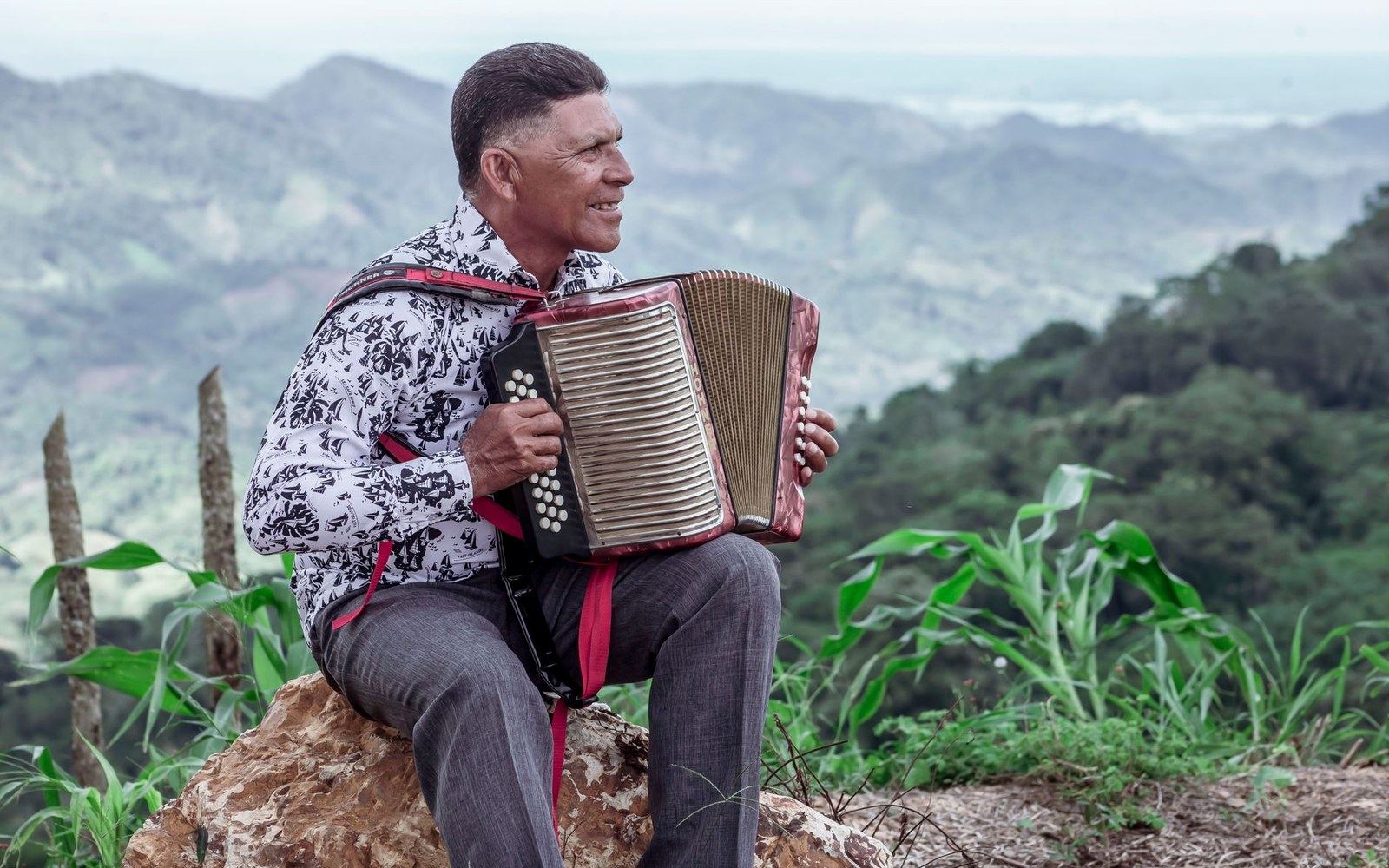
Accordion and bajo sexto — the two instruments that separate norteño from banda.
Photo: FRANK MERIÑO / PexelsThe label's commercial peak ran through the mid-1970s. Fania at that moment controlled an unusual proportion of the Latin music market in the United States, with distribution deals that moved product from New York bodegas to record shops across Latin America. The music had spread south across the Caribbean by the late 1970s, taking hold in Colombia and Venezuela particularly — a reverse migration that led a later generation to associate salsa with Cali or Caracas rather than with its actual manufacturing address.
The collapse came gradually. Fania's business difficulties in the 1980s — including a messy sale of its catalogue — coincided with the rise of Miami Sound and the first wave of what would later be called urbano. The label filed for bankruptcy and its catalogue eventually passed through several hands. What did not disappear was the claim embedded in every track: that a genre built from Caribbean raw material had been assembled, named and exported from a Bronx rehearsal room.
Chronology
- 1964 — Fania Records founded in New York by Johnny Pacheco and Jerry Masucci
- 1971 — Fania All Stars concert at the Cheetah Ballroom, Manhattan; filmed as Our Latin Thing
- 1973 — Fania All Stars live at Yankee Stadium; filmed as Salsa
- Late 1970s — genre takes commercial hold in Colombia and Venezuela
- 1980s — Fania's business decline; catalogue sold; label eventually files for bankruptcy