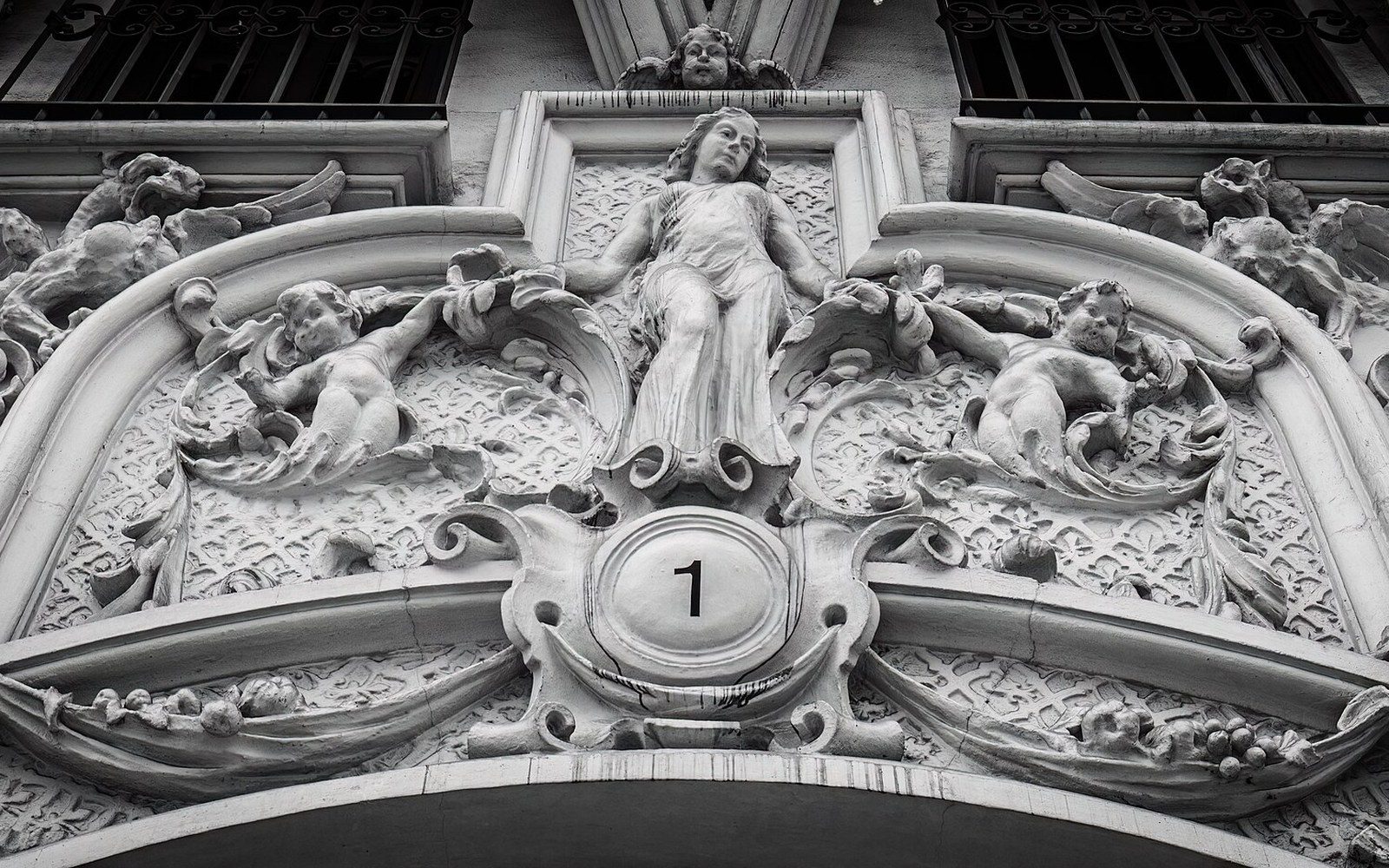
Bachata Was Not Always Respectable
Bachata spent decades as the music of the Dominican working class before Romeo Santos and the Aventura era moved it to the Latin Grammy stage.
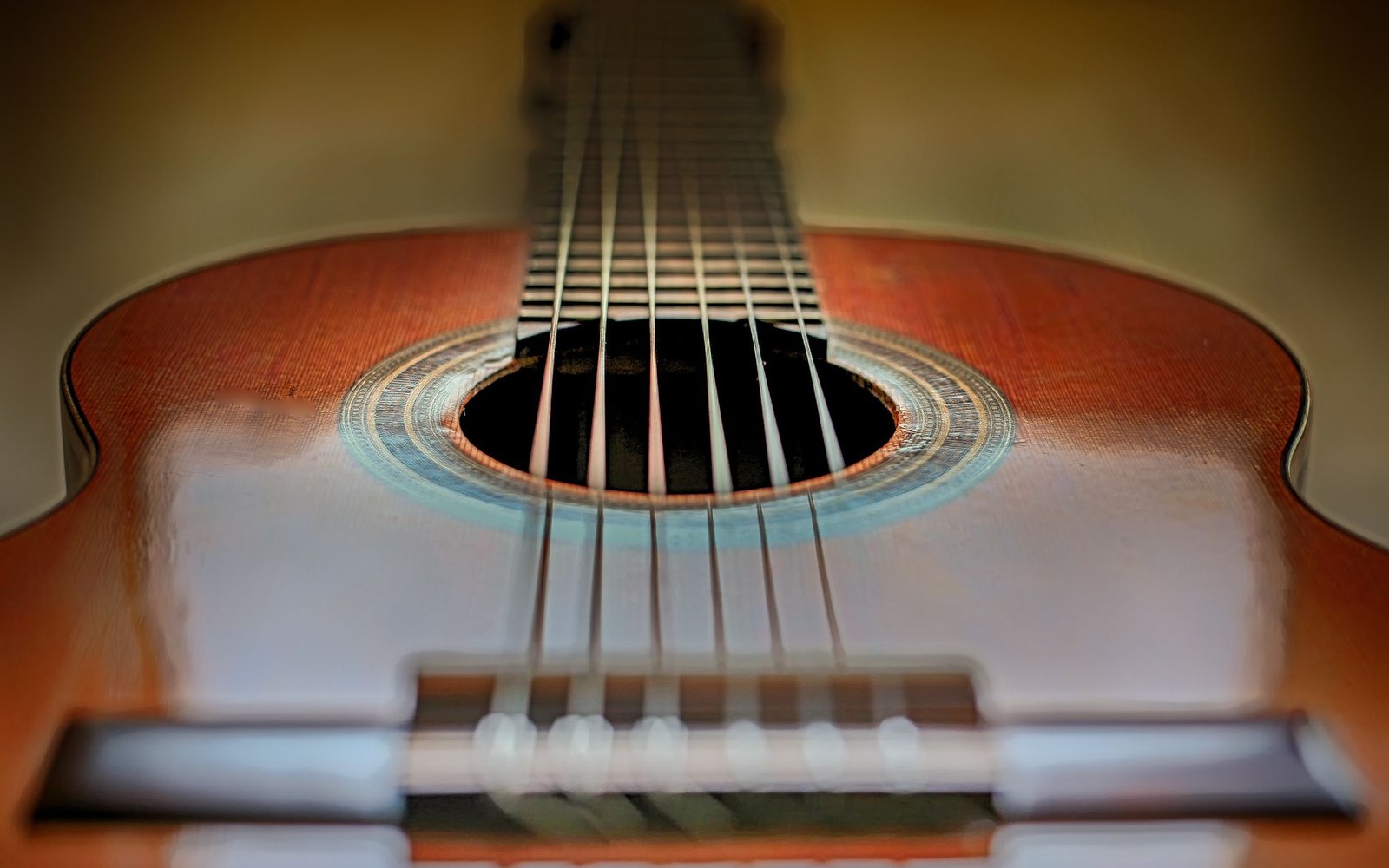
Pre-1970s — bachata excluded from Dominican broadcast media; circulates on cassettes and in working-class bars
Photo: tom analogicus / Pexels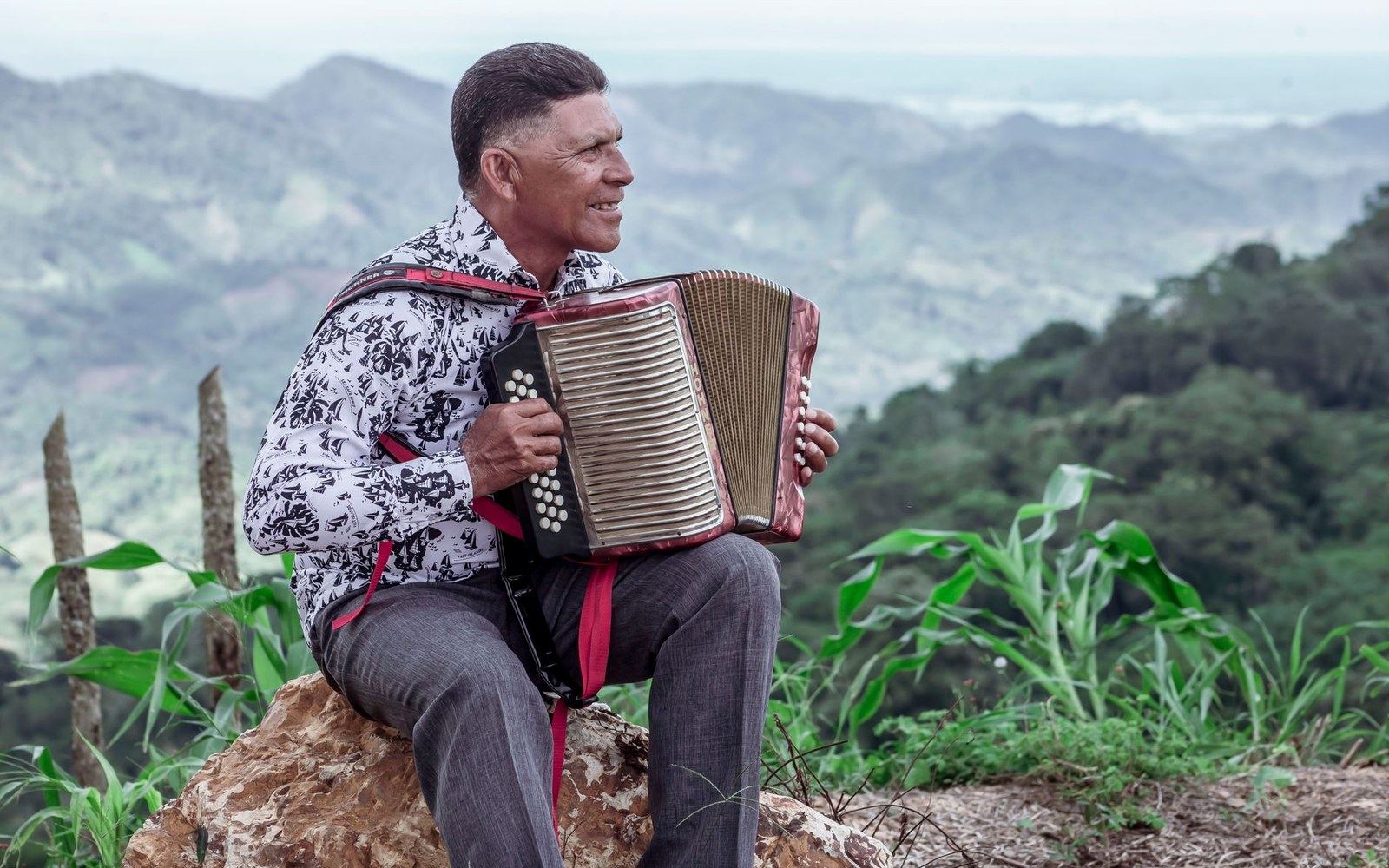
Accordion and bajo sexto — the two instruments that separate norteño from banda.
Photo: FRANK MERIÑO / PexelsThe music of the Dominican barrios spent forty years being called ugly before it became a Latin Grammy category.
From the Margins to the Microphone
In the Dominican Republic, bachata spent most of the twentieth century being called música de guardia — guard's music, a dismissal aimed at the style's association with the rural poor, the urban underclass, and the kinds of bars the middle class preferred not to visit. The word bachata itself carried the meaning of a rough, informal party. Radio stations in Santo Domingo largely refused to play it through the 1960s and 1970s. State media under Trujillo, who favoured merengue as a national symbol, had little use for it. The guitar-driven form circulated on cheap cassettes sold in markets, passed hand to hand in ways that left almost no commercial paper trail.
The music's roots lie in the bolero tradition imported from Cuba and adapted to Dominican working-class life through the middle decades of the twentieth century. Where the bolero was refined and orchestrated, bachata stripped the arrangement to its bones: lead guitar playing single-note melodic lines over a bass guitar, a rhythm guitar marking the characteristic bicheo syncopation, bongos or a box drum, and a steel-string requinto guitar laying in the high, plaintive figures that became the form's emotional signature. Lyrics dealt in heartbreak, poverty, drinking and desire — themes the Dominican establishment considered unrefined. That establishment preference was not subtle. The scholar Deborah Pacini Hernandez documented the systematic exclusion of bachata from Dominican broadcast media in her 1995 study of the form, Bachata: A Social History of a Dominican Popular Music, situating the stigma within class and racial politics that the music's defenders rarely bothered to disguise.

Physical racks still decide what a catalogue looks like in the country that pressed it.
Photo: Zeynep M. / PexelsThe turn toward legitimacy moved slowly, then suddenly. Luis Segura's recording "Pena Por Ti" from the early 1980s reached listeners well beyond the usual circuits, and by the late 1980s, Juan Luis Guerra had begun incorporating bachata into arrangements sophisticated enough to attract critical attention. His 1990 album Bachata Rosa — which won the Grammy for Best Tropical Latin Performance in 1992, awarded by the Recording Academy — is usually cited as the moment the form acquired international visibility. But Grammy recognition and genuine popular mainstreaming are different things, and bachata remained a genre the Latin industry treated with caution through most of the 1990s.
The Aventura Effect
What changed the arithmetic was the Bronx. Aventura — formed in New York in the mid-1990s by Romeo Santos, Lenny Santos, Henry Santos and Max Santos — grew up between the Dominican diaspora and the sonic landscape of American R&B, and they heard no contradiction between the two. Their 2002 album We Broke the Rules introduced a hybrid that kept the requinto guitar and the bicheo pulse while layering hip-hop cadences, vocal harmonies drawn from American groups and production choices that sounded contemporary on urban radio. The crossover was not cosmetic. It renegotiated what bachata was allowed to sound like without discarding the form's structural heart.
Billboard's Hot Latin Songs chart tells part of the story from that point forward. Aventura's "Obsesión" reached number one on the Billboard Latin Airplay chart in 2002 and stayed at or near the top for months, a run that marked bachata as a format radio programmers could trust to hold an audience. Romeo Santos launched his solo career in 2011 and charted multiple number-one singles on Hot Latin Songs in the years that followed; his 2014 single "Propuesta Indecente" spent weeks at the top of the Latin Airplay chart, per Billboard's published data. The Latin Recording Academy, which had treated the form as a subcategory for years, introduced a standalone Best Bachata Album Grammy category in 2012 — a formal acknowledgement arriving roughly two decades after the music had begun its climb out of the market's margins.
The genre now sits comfortably inside the urbano ecosystem, with artists like Prince Royce and Grupo Extra drawing streaming numbers that would have been inconceivable when bachata circulated on cassettes in Santo Domingo's street markets. The respectability it took forty years to earn is now so complete that it is easy to forget it was ever contested — which is exactly the kind of forgetting that a form's history pushes back against.
Chronology
- Pre-1970s — bachata excluded from Dominican broadcast media; circulates on cassettes and in working-class bars
- 1990 — Juan Luis Guerra releases Bachata Rosa; wins Grammy for Best Tropical Latin Performance in 1992
- Mid-1990s — Aventura forms in the Bronx
- 2002 — "Obsesión" reaches number one on Billboard Latin Airplay
- 2012 — Latin Recording Academy establishes standalone Best Bachata Album category
- 2014 — Romeo Santos's "Propuesta Indecente" tops Latin Airplay chart