Rumba Catalana Has Always Been Barcelona's Own
Rumba catalana — distinct from Andalusian flamenco rumba — emerged in the Gràcia neighbourhood of Barcelona in the 1950s with Peret and later Gato Pérez. This piece locates the genre in its city and traces its lingering influence on the city's sound today.
1950s — Peret develops rumba catalana in Gràcia, Barcelona
Photo: 2020 Balmis Operation - Gràcia (Barcelona) 02 · Wikimedia Commons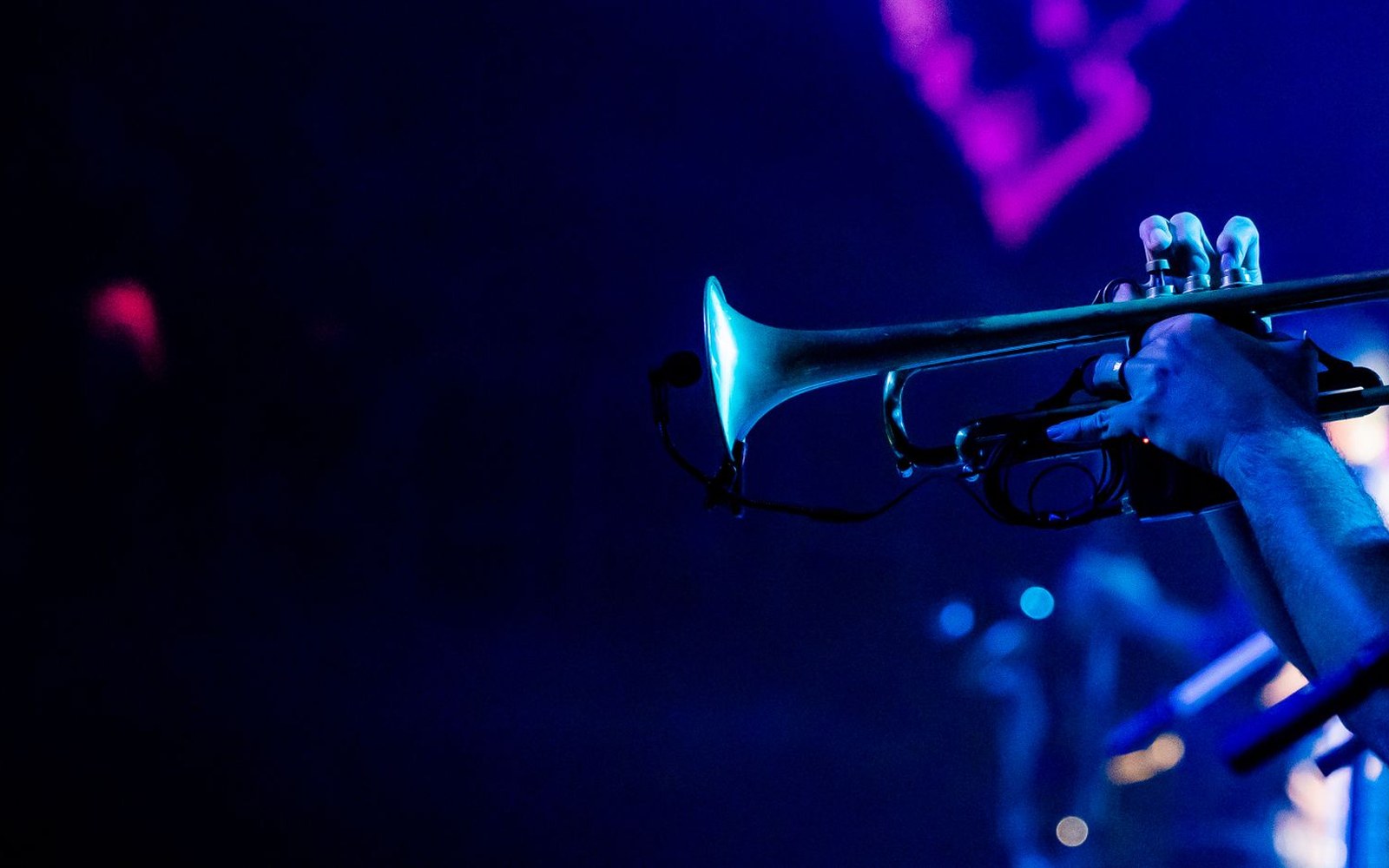
Brass and requinto on a small stage: the format radio files as regional Mexican.
Photo: Caleb Oquendo / PexelsA neighbourhood genre with Gypsy roots and a distinct guitar feel — not flamenco rumba, not quite anything else
From Gràcia to the City at Large
Rumba catalana — a guitar-driven popular style distinct from the Andalusian flamenco rumba it superficially resembles — was born in the Gràcia neighbourhood of Barcelona in the 1950s. The driver was Peret, born Pere Pubill Calaf, a Catalan-Romani guitarist whose percussive strumming technique and melodic looseness drew on Cuban son and the Romani oral tradition in equal measure, producing something that belonged to Barcelona in a way flamenco never quite did. Where flamenco's named rhythmic forms — the palos, each with its own compás, or metric cycle — governed when a performer could ornament or resolve, rumba catalana ran freer, built for dance floors and street corners rather than the recital protocols of the flamenco world.
The form reached a second, broader audience through Gato Pérez — the Argentine-born, Barcelona-adopted composer and singer who set the genre against the city's immigrant working class in the 1970s and 1980s. His records wired rumba catalana into Catalan cultural identity at a moment when that identity was being publicly reasserted after Franco's dictatorship. The genre became a vehicle for a place as much as for a sound.
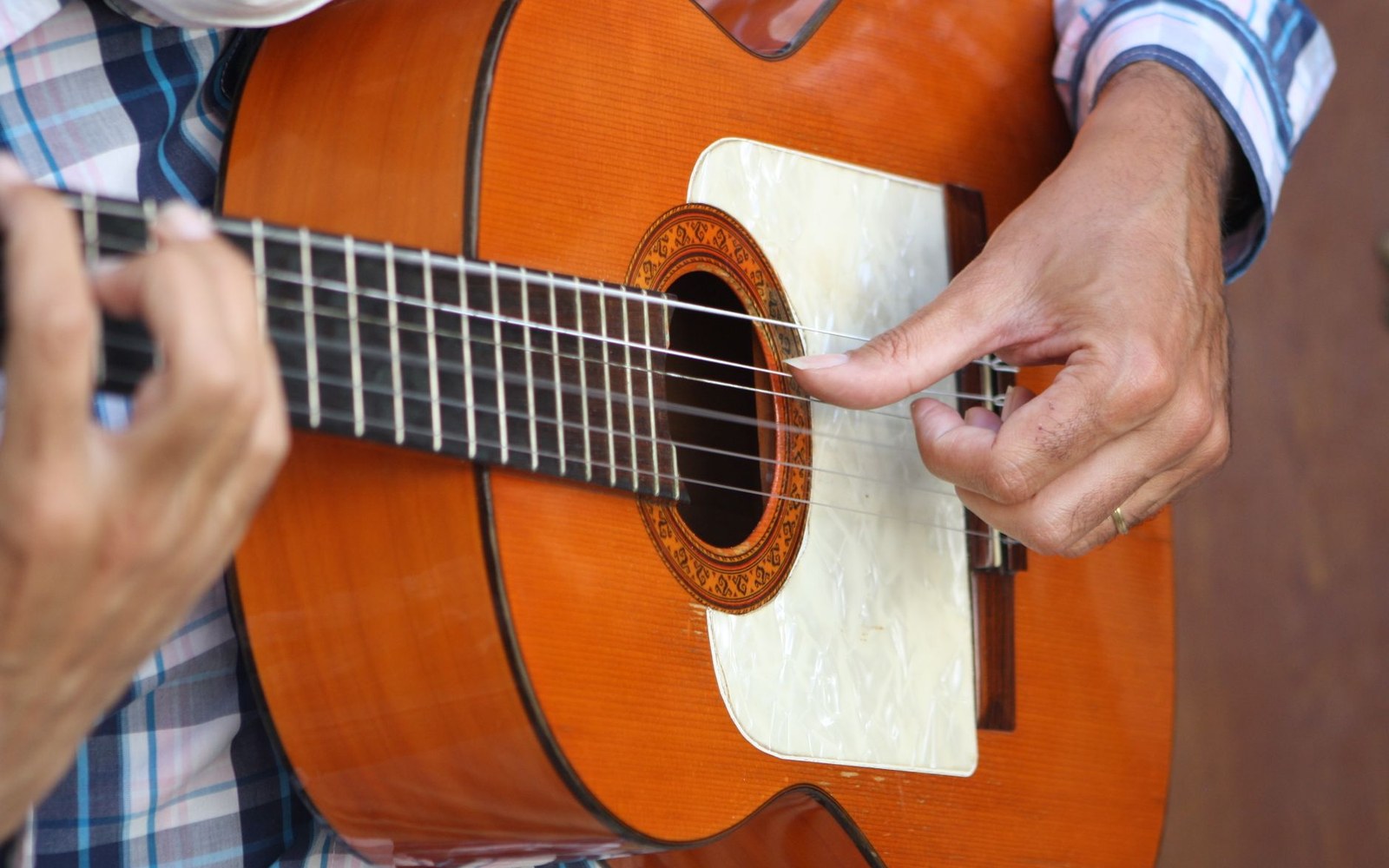
The rasgueado is a rhythm technique before it is a chord — the hand keeps the compás.
Photo: Elena / PexelsNeither Peret nor Gato Pérez made music that the Latin Recording Academy or SGAE — Spain's primary collecting society — spent much time thinking about at the time. The institutional frameworks that certify and distribute Spanish popular music were built around Madrid's pop mainstream and Andalusia's flamenco infrastructure; Barcelona's street-level rumba fitted neither box cleanly. Promusicae, which administers Spain's gold and platinum certifications with thresholds set independently of RIAA or AMPROFON levels, operates with similar blind spots toward regional vernacular forms that never charted in the standard commercial sense.
Contemporary Barcelona artists continue to sample and cite the tradition — it surfaces in the city's indie and fusion scenes — though rumba catalana has not produced a global streaming act in the way that reggaetón's dembow pattern produced a generation of chart artists. Its influence is local and stubborn in exactly the way that neighbourhood music tends to be: absorbed into the city's sound rather than exported from it.
Chronology
- 1950s — Peret develops rumba catalana in Gràcia, Barcelona
- 1970s–80s — Gato Pérez expands the genre's reach and ties it to Catalan cultural identity in the post-Franco period