Corridos Tumbados: Where the Sinaloa Lineage Ends Up
Corridos tumbados (also called música mexicana) combines the norteño corrido tradition with trap production — Natanael Cano is credited with coining the term around 2019. This explainer maps the Sinaloa lineage from banda and norteño through to the Peso Pluma generation.

Corrido tradition — traceable to the Mexican Revolution era, early twentieth century
Photo: Yan Krukau / Pexels
Physical racks still decide what a catalogue looks like in the country that pressed it.
Photo: Zeynep M. / PexelsA genre named by a teenager from Hermosillo, corridos tumbados pulls more than a century of northern Mexican music into a trap-era update — and the Sinaloa lineage that made it possible runs deeper than the 808 bass.
The Tradition It Rewires
Northern Mexico's musical identity rests on two pillars. Norteño — built from accordion and bajo sexto guitar, carried into the United States by migrant workers across the twentieth century — is the older and more stripped-down of the two. Banda, originating in Sinaloa and distinguished by its brass-heavy arrangements, grew alongside it as a separate but neighbouring tradition. Both formats share a core vehicle: the corrido, a narrative ballad form that dates to at least the Mexican Revolution and has always served as popular reportage, celebrating outlaws, soldiers and, more recently, cartel figures with equal lyrical candour.
The corrido was never just a musical form — it was a journalistic one. Its conventions include a named protagonist, a geography (frequently Sinaloa, Sonora or Chihuahua), and a moral ambiguity that mainstream pop rarely tolerates. That tradition, intact and self-aware, is what Natanael Cano dragged into a new production context.
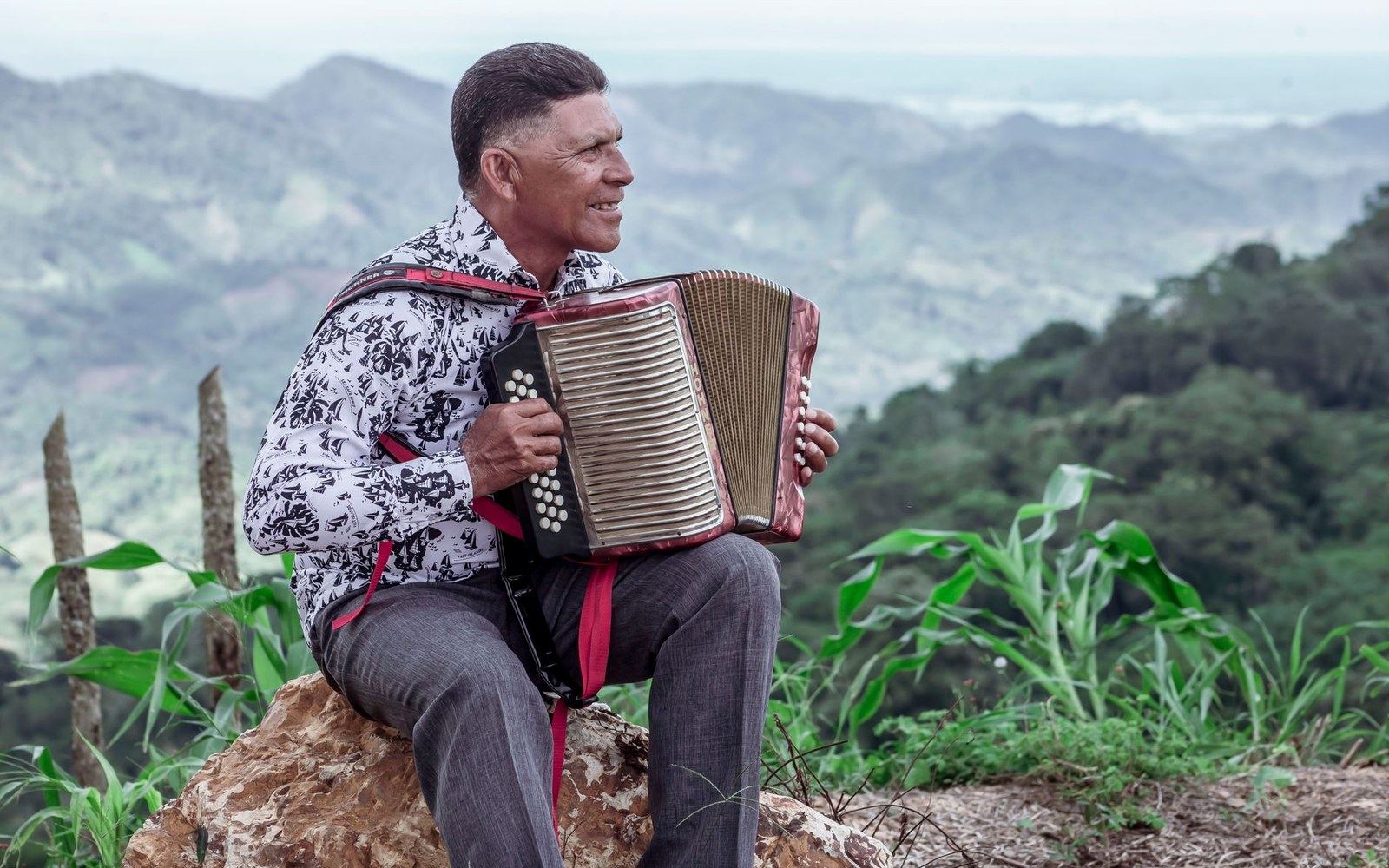
Accordion and bajo sexto — the two instruments that separate norteño from banda.
Photo: FRANK MERIÑO / PexelsFrom Hermosillo to the Charts
Natanael Cano, born in Hermosillo, Sonora, is generally credited with coining the term "corridos tumbados" around 2019 — tumbados roughly meaning "laid back" or "knocked down", signalling a slouched, trap-inflected posture rather than the formal uprightness of classic norteño. The production swap was precise: acoustic bajo sexto lines replaced or layered over trap drums, hi-hats pushed into double-time, 808 sub-bass dropping where a tuba might have sat in a banda arrangement. The corrido's lyrical content — place names, nicknames, coded references — survived essentially unchanged.
The genre is also called música mexicana, a broader label that the industry adopted as the sound expanded beyond a single artist. By 2023 it had become the preferred term in streaming and award contexts, though corridos tumbados remains in common use for the specific trap-corrido hybrid.
Peso Pluma is the figure who carried the sound to a genuinely global audience. His 2023 album Génesis — released through Double P Records and distributed via UNIVERSAL Music Latino — reached the top ten of the Billboard 200, a chart position no regional Mexican act had approached in that way before. Collaborations with groups such as Fuerza Regida and Grupo Frontera extended the reach further, each act operating from a distinct angle on the same lineage: Fuerza Regida leaning into the banda brass, Grupo Frontera keeping the accordion more prominent.
Chronology
- Corrido tradition — traceable to the Mexican Revolution era, early twentieth century
- Norteño and banda develop through the twentieth century as distinct northern Mexican forms
- ~2019 — Natanael Cano credited with coining "corridos tumbados"
- 2023 — Peso Pluma's Génesis reaches Billboard 200 top ten; the genre's widest mainstream moment to date
- 2023 — "música mexicana" adopted as broader industry label in streaming and award contexts
What the Streaming Numbers Confirmed
Corridos tumbados arrived in streaming culture at a moment when Spanish-language music's share of global streams was measurably growing, and it benefited from the infrastructure Bad Bunny and the reggaetón generation had built: Latin playlists at scale, algorithmic familiarity with Spanish-language content, and a US Latino audience large enough to move a chart on its own. The genre also had a geographic advantage. The Sinaloa diaspora in California and across the American Southwest created a ready audience that was both culturally fluent in the corrido tradition and already using the same streaming platforms as any other American listener.
The industry bodies followed. AMPROFON, Mexico's music industry certification body, issued multi-platinum certifications across the corridos tumbados catalogue at a rate that reflected a domestic streaming audience of tens of millions. The RIAA's Latin certification programme caught up on the American side.
None of that was inevitable. The corrido had spent years occupying a contested cultural position — celebrated regionally, banned periodically by radio groups uncomfortable with its subject matter, and largely ignored by the Latin Recording Academy until the volume of the audience became impossible to dismiss. Corridos tumbados did not resolve that tension. It simply turned it up.
Terms used
- corrido — narrative ballad form, northern Mexican tradition, dating to at least the Revolution era
- norteño — accordion-and-bajo-sexto style from northern Mexico
- banda — brass-heavy format originating in Sinaloa
- corridos tumbados — trap-production hybrid of the corrido form; tumbados means roughly "laid back"
- música mexicana — wider industry label encompassing corridos tumbados and related styles
- bajo sexto — twelve-string bass guitar central to norteño arrangements