The Riddim That Started in Kingston and Stopped in San Juan
Dembow is a Jamaican riddim — Steely & Clevie, 1990 — that travelled through Panamanian underground clubs before Daddy Yankee and DJ Playero made it Puerto Rican. A genre-origin piece tracing the rhythm's documented path and naming the specific recordings where the accent shifted.
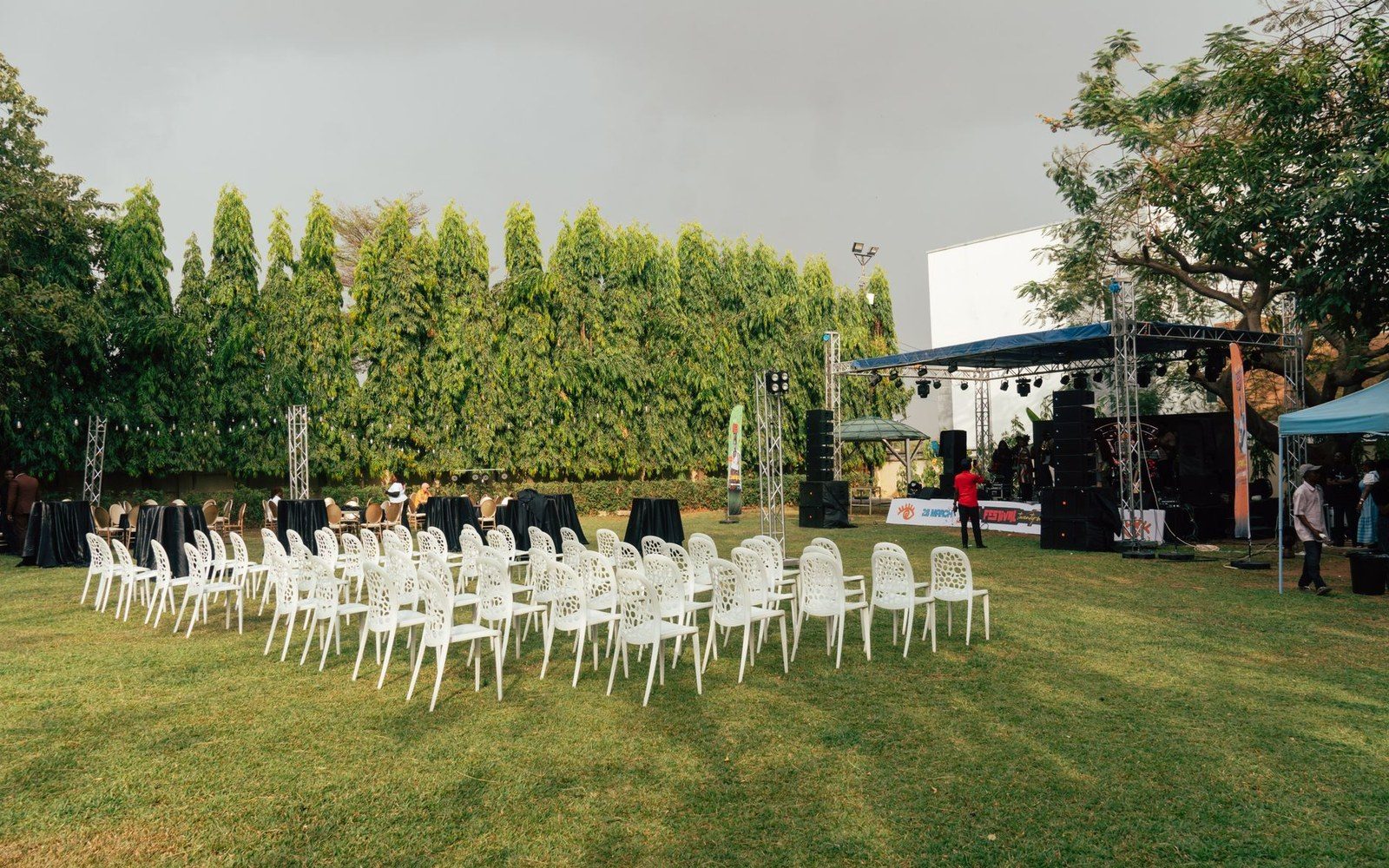
Kingston, Jamaica — Steely & Clevie record the Dembow riddim, 1990
Photo: Marvellous Adu / PexelsThe beat that two producers built in 1990
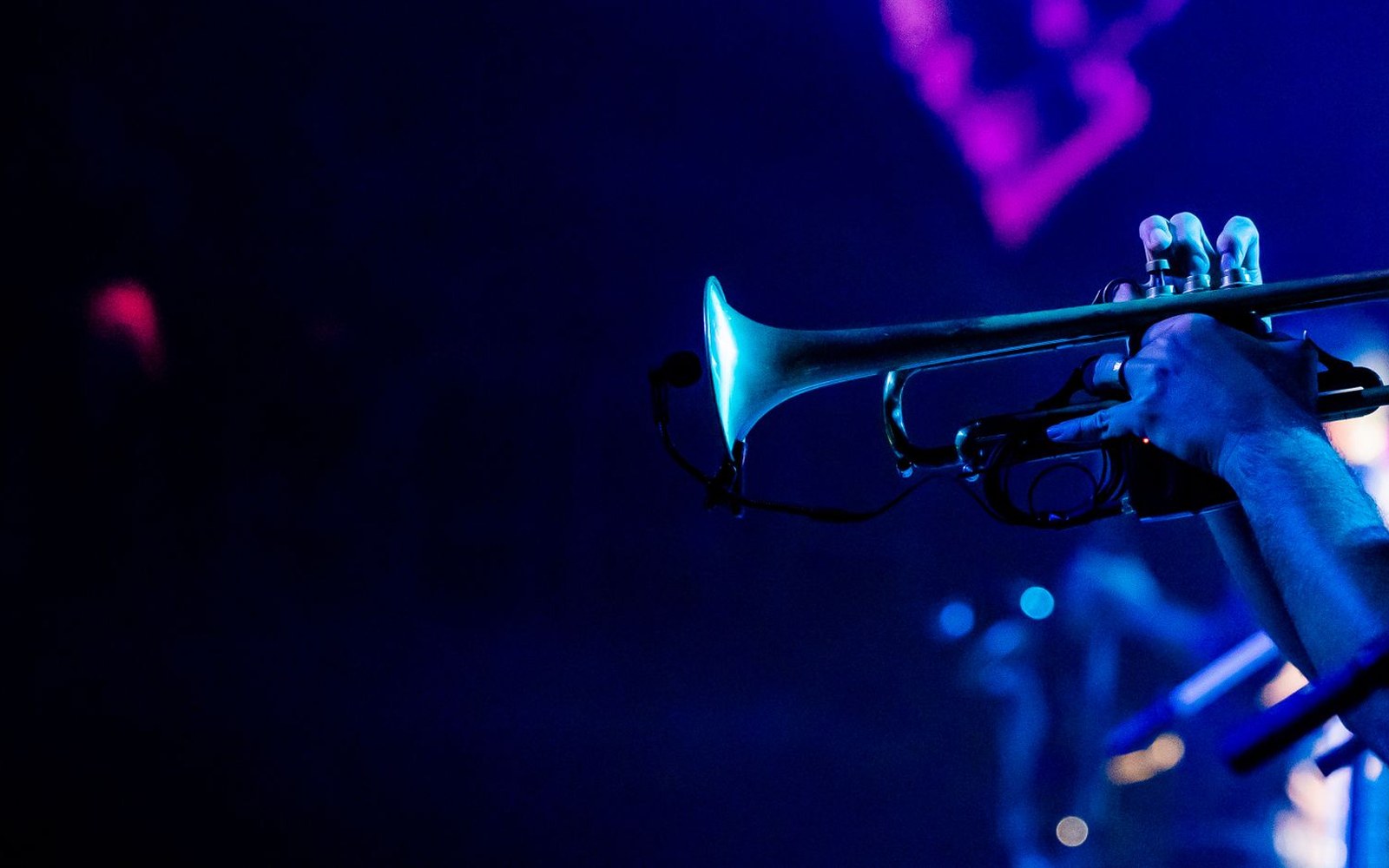
Brass and requinto on a small stage: the format radio files as regional Mexican.
Photo: Caleb Oquendo / PexelsIn 1990 a Jamaican production duo called Steely & Clevie recorded a riddim — the Jamaican term for a rhythm track licensed out to multiple vocalists — that would eventually become the rhythmic spine of the most commercially dominant Spanish-language genre on earth. The track was called Dembow, and its defining feature was a syncopated kick-and-snare pattern that placed a secondary accent on the off-beat, giving it a lurching, doubled-up feel that no prior Jamaican dancehall rhythm had quite replicated. Steely & Clevie — Cleveland Browne and Wycliffe Johnson — were Kingston's busiest session team at the time, responsible for a significant portion of the dancehall catalogue that came out of Jamaica between the late 1980s and the mid-1990s. Dembow was not their biggest riddim commercially, but it proved the most exportable.
The rhythm left Jamaica the way most musical ideas travel: not through official channels but through people. DJs and selectors moving between Kingston and Panama City carried the pattern into Central American sound-system culture during the early 1990s. Panama was already an active node in Caribbean popular music — geographically positioned between the Spanish-speaking mainland and the Anglophone island world, with a Jamaican-descended Afro-Panamanian community that bridged both. Reggae en español had been developing there since at least the mid-1980s, and when Dembow arrived it landed in clubs already primed to absorb it.
The shift happens in Puerto Rico
Panama provided the first Spanish-language overlay, but the accent change that matters for genre history happened in Puerto Rico. By the early 1990s, cassette tapes recorded in makeshift studios in Santurce, in San Juan, and in nearby Bayamón were circulating through housing projects. The producers and DJs driving this underground were working with whatever equipment they could access, looping and chopping the Dembow pattern into tracks that layered explicit, confrontational lyrics drawn from the island's street experience.
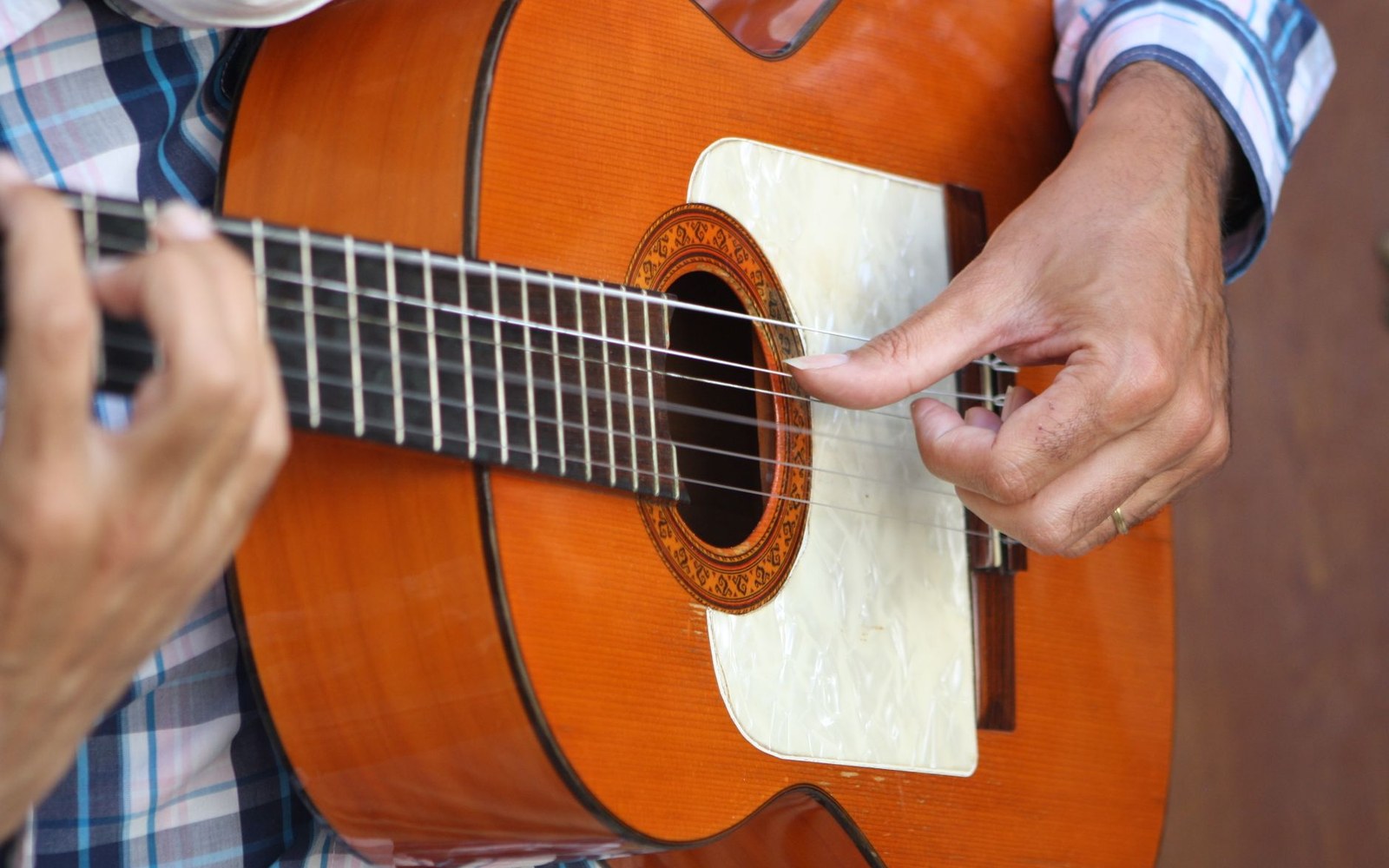
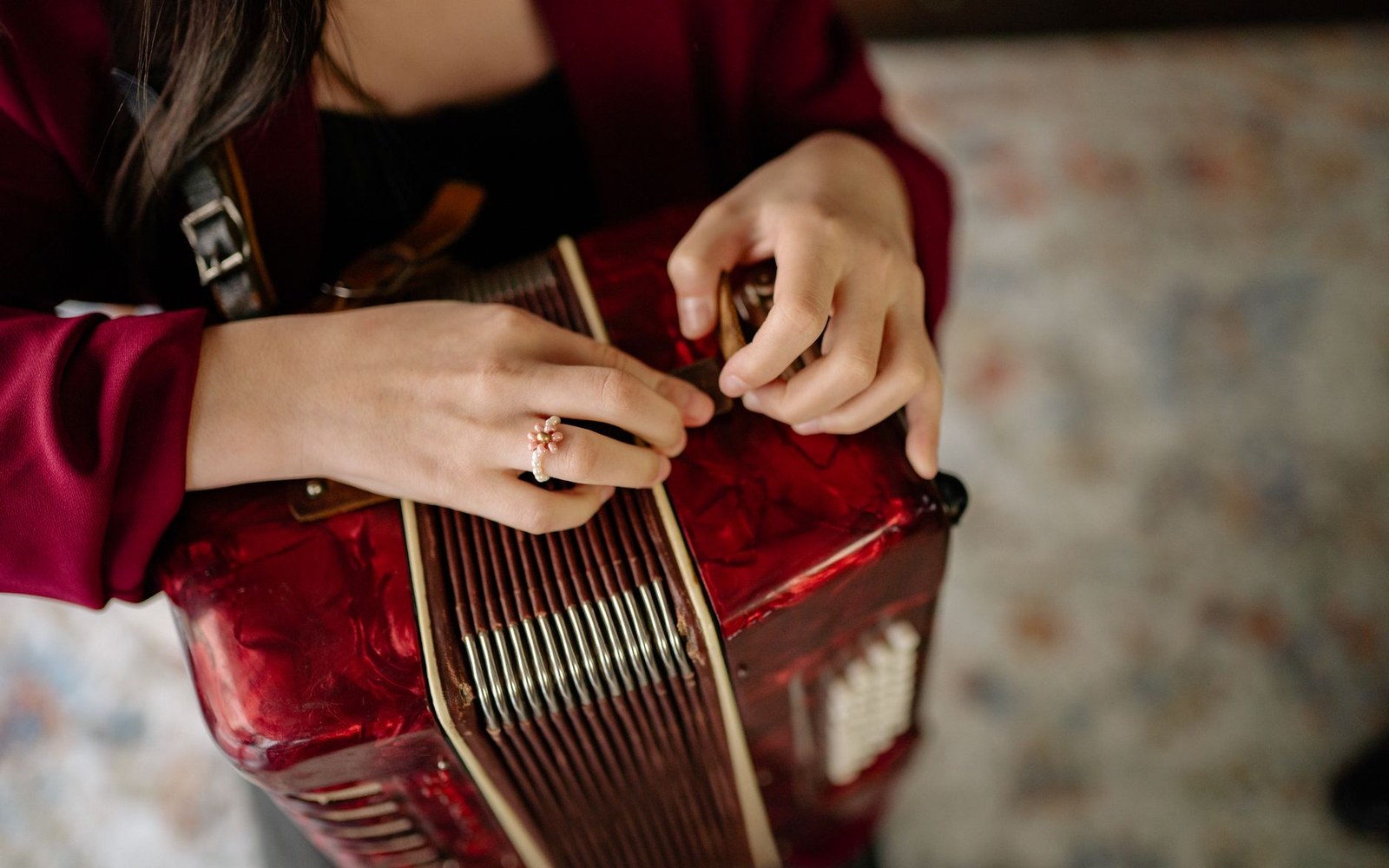
The rasgueado is a rhythm technique before it is a chord — the hand keeps the compás.
Photo: Elena / PexelsDJ Playero is the central figure here. His mixtape series — particularly the volumes circulating from around 1991 onward — are the documented earliest examples of what would become reggaetón as a coherent genre, and they carry the Dembow pattern at their core. The tracks on those tapes were not radio-ready; they were deliberately raw, and the authorities on the island treated them as such. Several volumes were seized or banned outright, which only expanded their distribution. A young vocalist appearing on DJ Playero's recordings under a stage name and, more consequentially, a teenager from Santurce called Ramón Luis Ayala Rodríguez — who would become known as Daddy Yankee — were among the artists whose earliest documented work appears in this period.
Daddy Yankee's presence on DJ Playero's tapes in the early-to-mid 1990s is the link that ties the underground phase to the genre's eventual commercial explosion. The Dembow pattern he and his contemporaries were using had by this point mutated significantly from its Jamaican source: the tempo was different, the production palette drew on hip-hop's drum machines and bass weight, and the Spanish-language lyrical tradition brought its own cadences and rhyme structures. The rhythm was still recognisably Dembow — the off-beat snare accent remained the pulse around which everything was organised — but it was no longer Jamaican music. It was something new and specifically Puerto Rican.
From underground tapes to the Billboard charts
The genre's emergence into mainstream visibility was gradual and contested. Spanish-language broadcasters on the island largely refused to play the underground cassettes through the 1990s, and the major labels were slow to recognise what was accumulating in the market. The shift came in the early 2000s, when a wave of albums — Daddy Yankee's Barrio Fino (2004) chief among them — demonstrated that the audience was not niche but enormous. Barrio Fino reached number one on the Billboard Top Latin Albums chart, the first reggaetón album to do so, and its single "Gasolina" gave the genre its first true global carrier.
The rhythm's documented stops
- Kingston, Jamaica — Steely & Clevie record the Dembow riddim, 1990
- Panama City — Spanish-language reggae scene absorbs the pattern, early 1990s
- Santurce (San Juan) / Bayamón, Puerto Rico — DJ Playero mixtape series, c. 1991 onward; Daddy Yankee appears
- Billboard Top Latin Albums — Barrio Fino reaches number one, 2004; "Gasolina" becomes the genre's first global crossover hit
What "Gasolina" did was make the Dembow pattern legible to international ears through sheer repetition and momentum. The riddim that Steely & Clevie had built in Kingston was by 2004 the foundation of a genre that Billboard would eventually track on dedicated charts. The Hot Latin Songs chart, which blends streaming, airplay and sales data, would within twenty years be dominated by artists whose entire sonic vocabulary rested on that same off-beat accent.
The genre's commercial peak in streaming terms arrived in the 2020s with Bad Bunny, a San Juan artist signed to Rimas Entertainment — itself a San Juan-founded independent — who became Spotify's most-streamed artist globally in 2020, 2021 and 2022, all while recording almost entirely in Spanish. By that point the Dembow pattern had been so thoroughly absorbed into the genre's DNA that most listeners and many critics had stopped hearing it as a discrete rhythmic choice. It had become, simply, the way the music sounds.
What the journey changed and what it kept
The Dembow riddim's path from Kingston to San Juan is a documented case study in how rhythmic ideas travel and transform. Three things changed along the route: the language, the lyrical subject matter, and the production context. What did not change was the structural position of the accent — that off-beat snare hit that creates the riddim's characteristic forward propulsion. Every reggaetón track built on dembow, from the underground Playero tapes to Bad Bunny's stadium releases, organises its energy around that same beat placement that Steely & Clevie fixed in 1990.
The genre's defenders and critics have long argued about authenticity and origin, but the documented record is less ambiguous than those arguments suggest. Reggaetón's history is traceable through physical artefacts — specific tapes, specific sessions, specific chart entries — and the through-line from a Kingston studio to the Santurce underground to the Billboard charts is real and verifiable. The riddim stopped in San Juan in the sense that San Juan is where it became something permanently its own, a foundation stable enough to carry an entire global genre for three decades and still counting.
Key recordings in the chain
- Dembow riddim — Steely & Clevie, 1990 (Kingston)
- DJ Playero mixtape series — early-to-mid 1990s (San Juan underground)
- Barrio Fino — Daddy Yankee, 2004; first reggaetón album to top Billboard Top Latin Albums