SGAE Has Been Fighting Over Its Own Rules for a Decade
The Sociedad General de Autores y Editores (SGAE) is Spain's primary collecting society — it has also been the subject of governance disputes and a 2021 suspension by the Ministry of Culture, provisionally lifted within weeks while proceedings continued. An explainer on what SGAE administers and why the dispute matters for Spanish songwriters.
SGAE founded in its current form: 1932
Photo: Miguel Saddi Vitorino / Pexels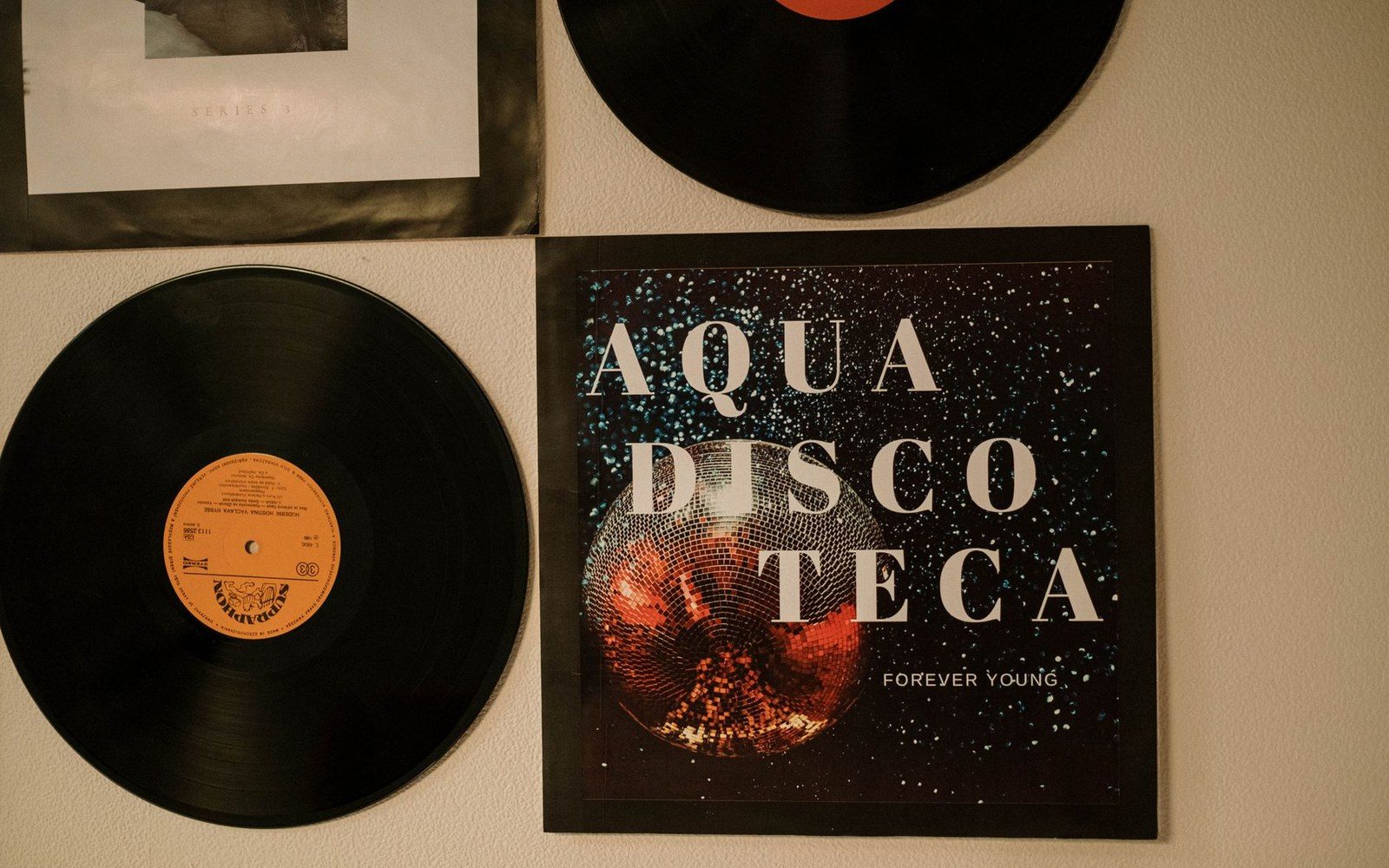
A certification is a document before it is a decoration — each body counts units its own way.
Photo: cottonbro studio / PexelsSpain's primary collecting society has administered royalties for generations of songwriters — and spent much of the last decade in a governance crisis that briefly stripped it of legal authority.
What SGAE Actually Does
The Sociedad General de Autores y Editores — SGAE — is the body that licenses public performances and broadcasts of music in Spain, collects the resulting royalties, and distributes them to composers, lyricists and music publishers. Founded in 1932 in its current form and operating under Spain's intellectual property law, it functions as a mandatory-access collective management organisation: any broadcaster, streaming platform, venue or business playing music in public must deal with it. There is no Spanish alternative for the rights it covers. For a songwriter in Madrid or Seville, SGAE membership is not a choice so much as the default infrastructure of a career.
The society also maintains reciprocal agreements with counterpart organisations internationally — including with Latin American bodies — which means that when a Spanish composition is performed in Mexico or Argentina, collection flows back through SGAE. For Spanish-language songwriters working across both markets, from the legacy of flamenco's palos to contemporary urbano production, SGAE sits at the centre of how royalties move.

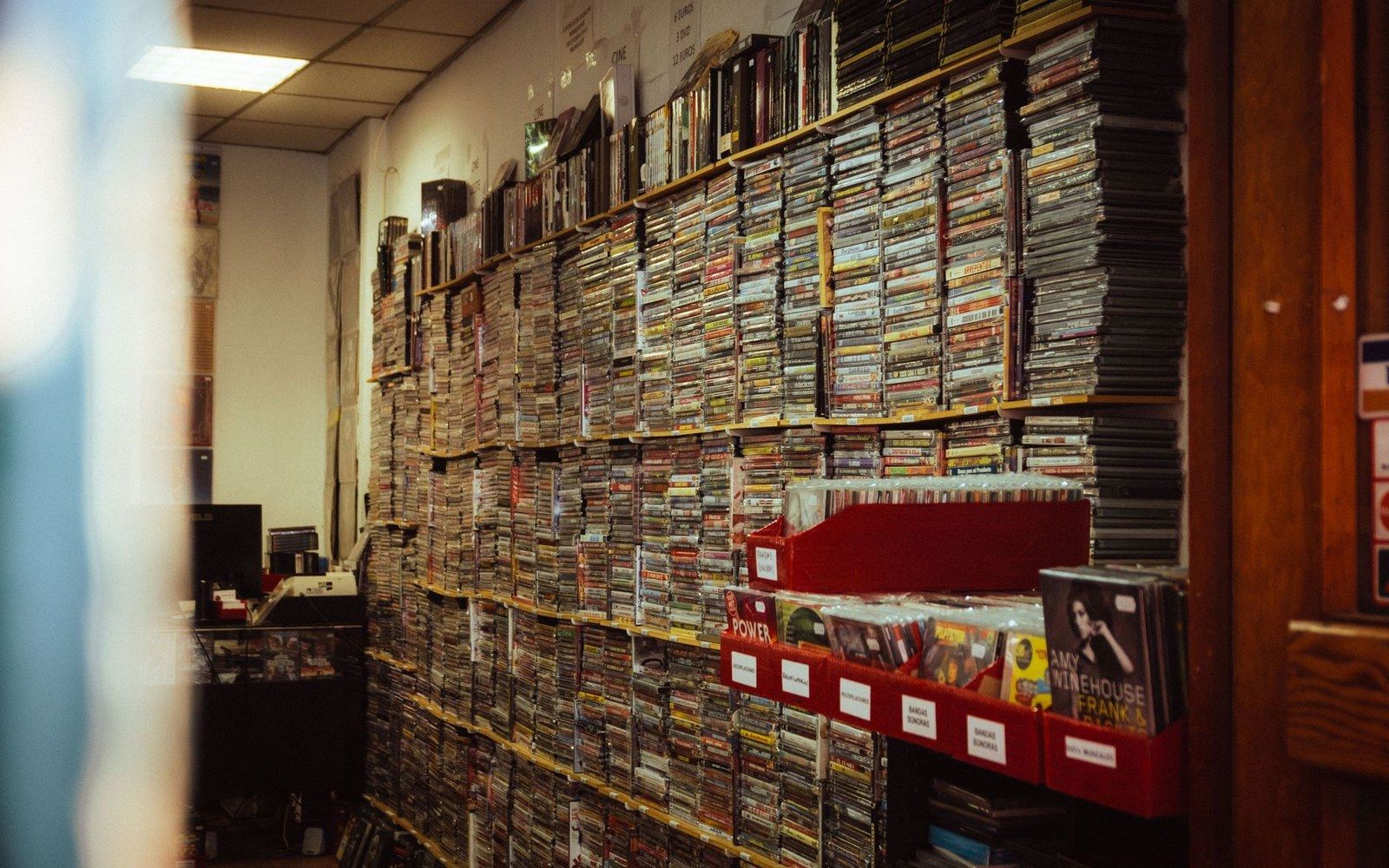
Physical racks still decide what a catalogue looks like in the country that pressed it.
Photo: Zeynep M. / PexelsA Crisis That Took Years to Build
The governance dispute did not arrive suddenly. Allegations of financial irregularities inside SGAE had circulated for years before Spain's Ministry of Culture suspended the society in February 2021 under the country's Intellectual Property Law. The suspension — the first of its kind against a major European collecting society — followed the ministry's conclusion that SGAE had failed to comply with its obligations as a collective management organisation: specifically, failures around transparency, proper distribution to rights-holders and democratic governance of an organisation that, by Spanish law, must be run in the interests of its members rather than its administrators. SGAE challenged the suspension legally, and it was provisionally lifted within weeks while proceedings continued, but the episode made the structural problems impossible to ignore.
The ministry's action had implications for the wider Spanish market, where Promusicae and SGAE both play a part in how the royalty infrastructure functions; the two bodies operate in different parts of the rights ecosystem — Promusicae for recorded music, SGAE for authors' rights — but the reputational damage to both when SGAE's governance collapsed was shared. Spanish songwriters, whose income depends directly on accurate and timely distribution, were the most exposed. Complaints from individual members about opaque accounting and distributions that seemed disconnected from actual usage data had accumulated into formal complaints over several years before the ministry moved.
Reform, Reluctant and Ongoing
SGAE's path toward resolution involved the replacement of senior leadership and a revision of its internal statutes — changes the ministry required before treating the society as compliant. By 2022, new governance structures were formally in place and the organisation had resumed full operations. The SGAE itself has published updated transparency documents since then, and the Ministry of Culture confirmed that the suspension was resolved after the required reforms were certified.
Key institutional facts
- SGAE founded in its current form: 1932
- Legal basis: Spain's Intellectual Property Law (collective management framework)
- Ministry of Culture suspension issued: February 2021
- Suspension provisionally lifted: within weeks, while legal proceedings ran
- Full compliance confirmed: 2022, after leadership and statute reforms
- SGAE's scope: public performance and broadcast licensing, authors' rights; distinct from Promusicae, which covers recorded-music certifications
What the dispute revealed, more than any single bad actor, is how difficult it is to reform a body that holds a statutory monopoly. SGAE cannot be replaced by competition; its members cannot take their repertoire elsewhere. That structural position — necessary for the collecting system to work at all — is also precisely what makes poor governance so hard to dislodge. The reform process required sustained ministerial pressure over more than a year before the structural changes became real.
For songwriters in Spain's increasingly international music economy — whether working in Andalusian flamenco, Barcelona's indie circuit, or the corridos and reggaetón catalogues that now generate significant royalty flows from Latin American performances — the health of SGAE's governance is not an abstract institutional question. It is the difference between receiving what the system owes them and waiting to find out why the numbers do not add up.
What the dispute turned on
- Transparency failures in royalty distribution to members
- Governance structure that favoured administrators over rights-holder members
- Statutory monopoly position: no competing body can replace SGAE for authors' rights in Spain
- Ministry's legal tool: Intellectual Property Law obligations for collective management organisations