Vive Latino Is Nearly Three Decades of Mexican Festival History
Vive Latino has run in Mexico City since 1998 — its Foro Sol editions are among the largest rock-en-español gatherings in the Americas. This piece traces the festival's history using documented edition lineups and the promoter consolidation that brought Ocesa and Live Nation into its structure.
1998 — founding year, Mexico City
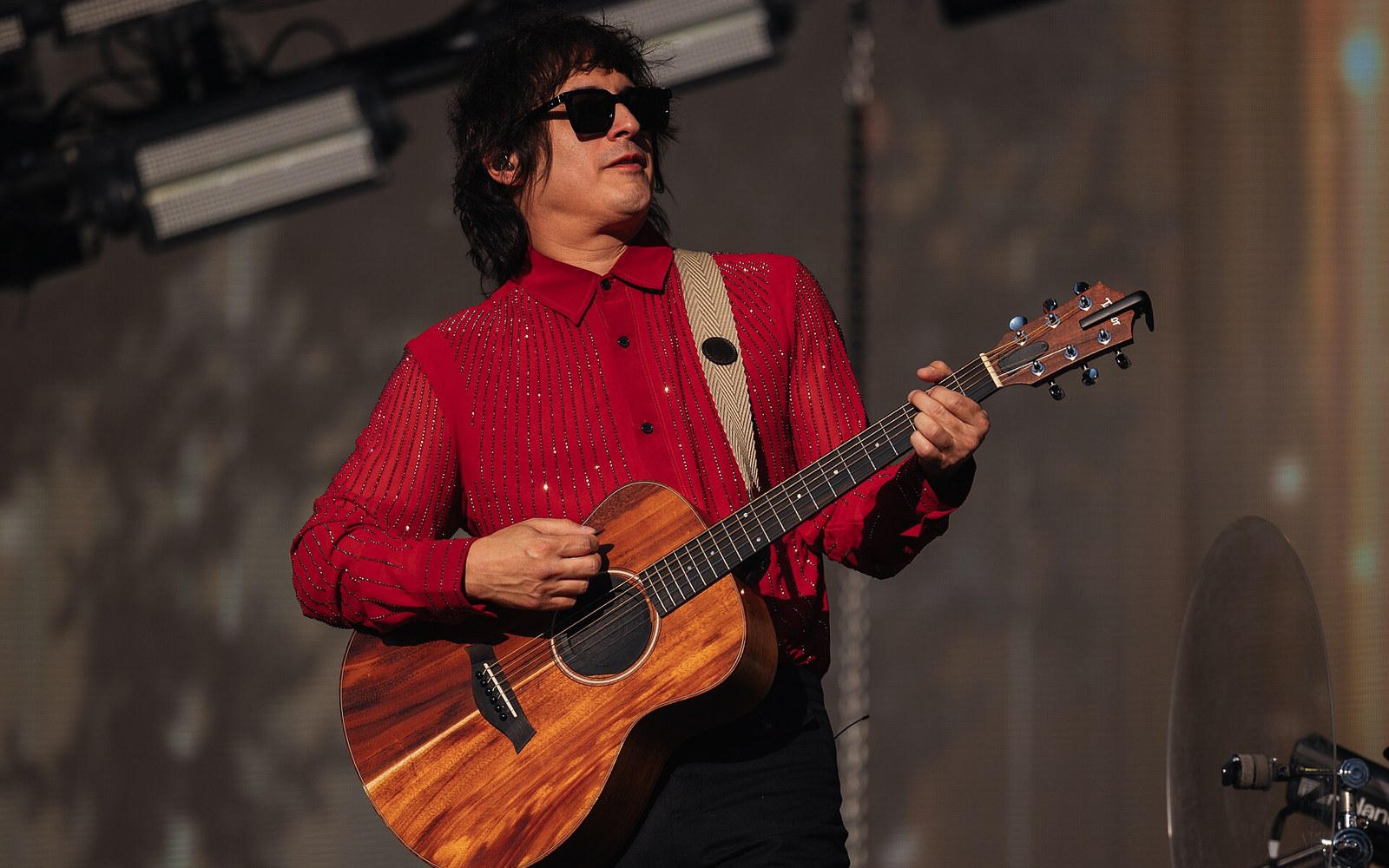
Photo: Siddhartha durante su presentación en el Escenario Amazon del festival Vive Latino 25, el 15 de marzo de 2025. · Wikimedia Commons
A vocal take is the cheapest part of a record and the one everything else is built around.
Photo: Anna Pou / PexelsThe longest-running rock-en-español festival in Mexico has survived genre shifts, a pandemic gap, and a full corporate buyout — and still sells out Foro Sol.
From Foro Sol to Live Nation
Vive Latino launched in Mexico City in 1998, created by the promoter Alejandro Soberón and his company Ocesa as a dedicated stage for rock en español — Spanish-language rock at a moment when the genre had genuine commercial momentum across Latin America and Spain. The festival's earliest editions were modest by today's standards, but the concept held: an annual event that treated Spanish-language guitar music as a headliner format rather than a regional curiosity.
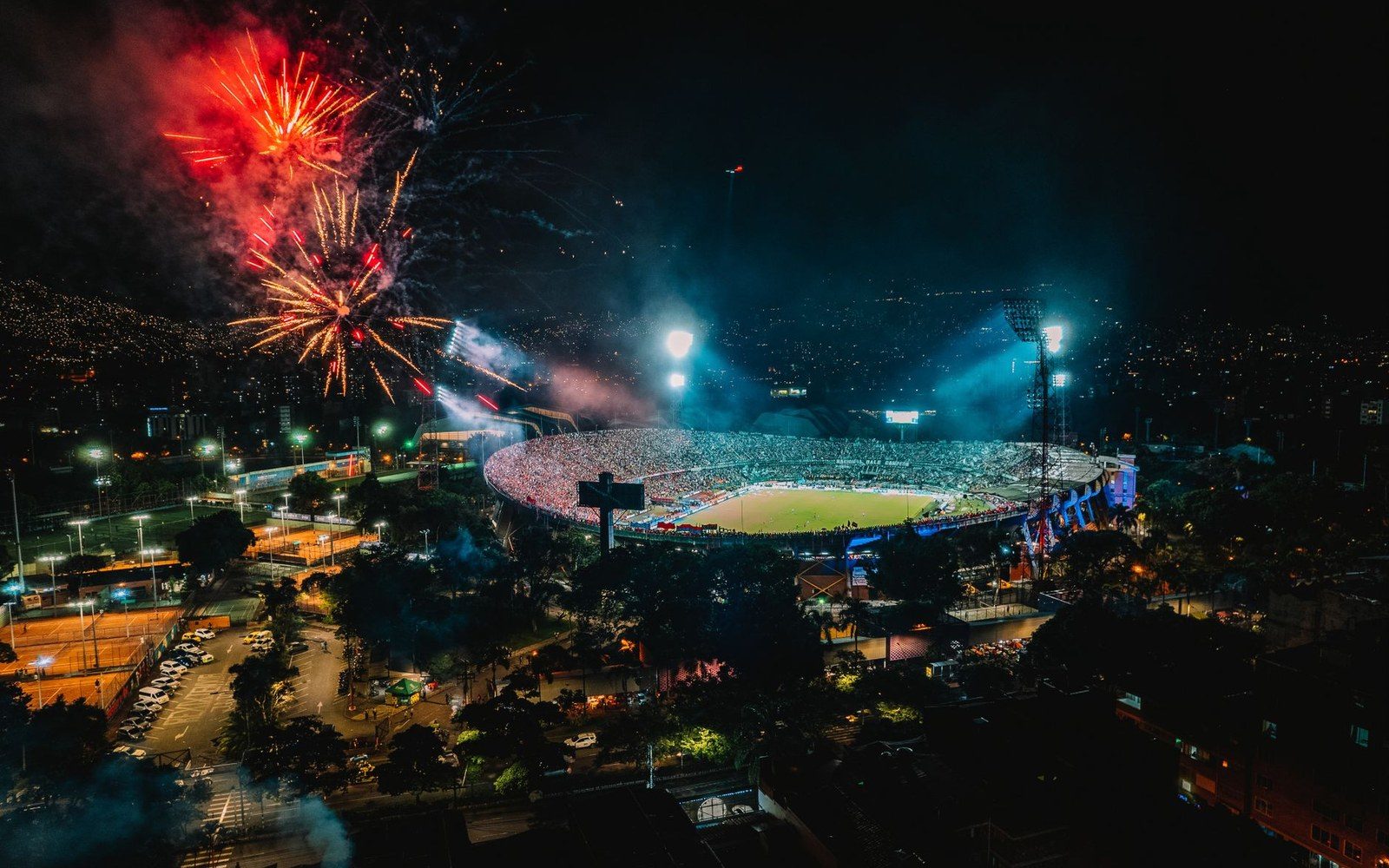
By the mid-2000s, Vive Latino had settled at Foro Sol, the open-air stadium complex on the eastern edge of Mexico City, which can accommodate crowds well above 65,000. The venue gave the festival the physical scale to book international headliners alongside Mexican acts, and multi-day editions became the norm. The lineup breadth also widened: corridos tumbados artists, reggaetón acts and electronic producers began appearing alongside the rock-en-español bands the festival was built around, reflecting how "rock" in the festival context had quietly expanded into a broader alternative-urbano umbrella.
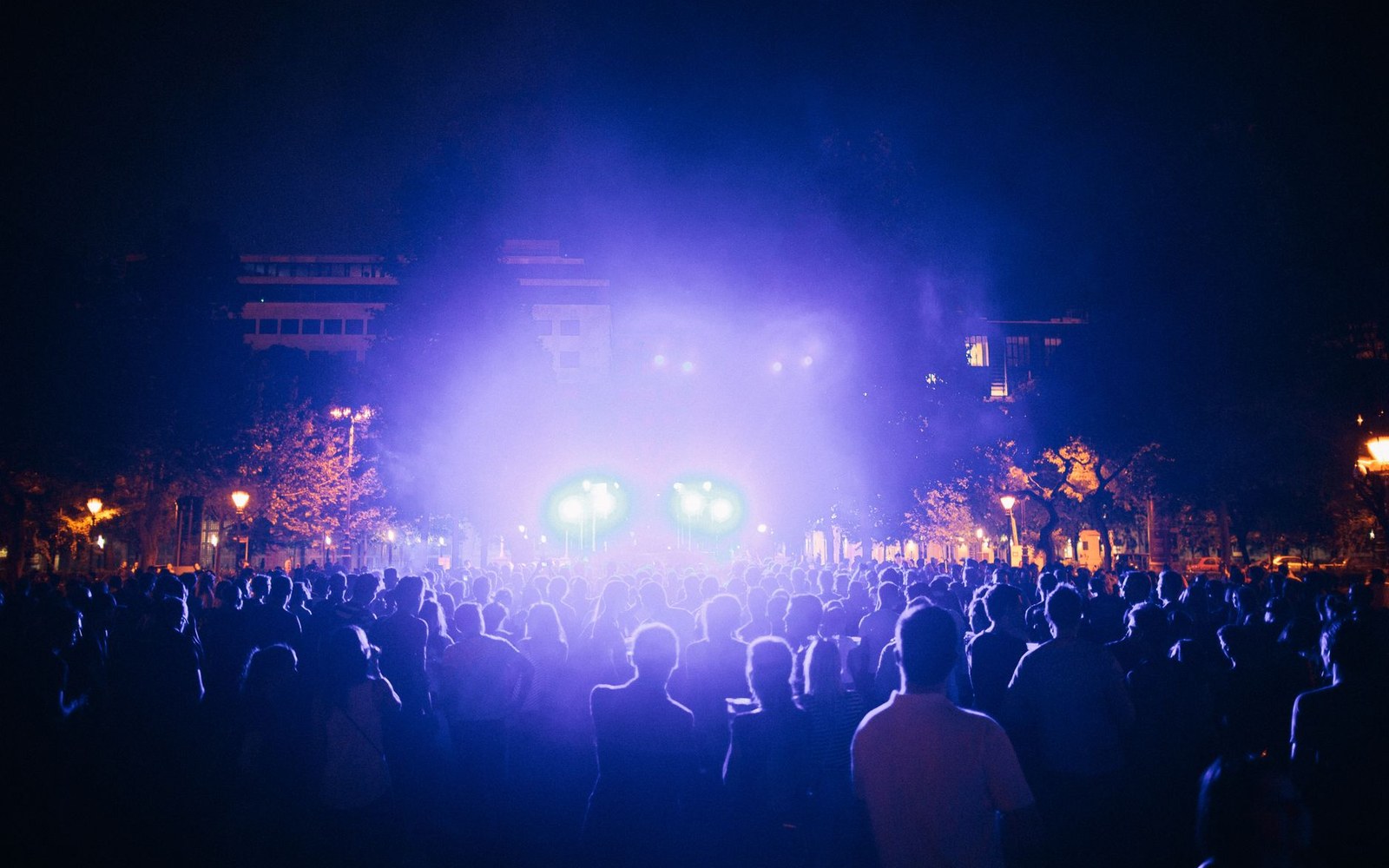
A festival bill is where a chart position turns into a fee.
Photo: Bence Szemerey / PexelsThe corporate layer changed significantly when CIE, Ocesa's parent group, was acquired by Live Nation, integrating Vive Latino into the global live-entertainment giant's Latin American portfolio. That consolidation brought international booking infrastructure but also raised questions about programming independence that fans and critics noted at the time.
The 2021 edition was cancelled due to the pandemic, shortly after the 2020 edition went ahead in March, breaking a run that had made the festival one of the most consistent calendar anchors in Mexican live music. The festival returned in 2022, and subsequent editions at Foro Sol continued to draw attendance figures that rank it among the hemisphere's largest rock and alternative gatherings. Artists including Juanes, Fuerza Regida and international acts have all passed through its stages, making Vive Latino as much a document of genre evolution as a single festival brand.
Festival in numbers
- 1998 — founding year, Mexico City
- Foro Sol — primary venue since the mid-2000s; capacity exceeds 65,000
- 2020–2021 — editions cancelled due to the COVID-19 pandemic
- Ocesa — original promoter, founded by Alejandro Soberón
- Live Nation — current parent company, via acquisition of CIE/Ocesa