The Movida Burned Briefly and Changed Madrid Permanently
The Movida Madrileña — roughly 1977 to 1985 — was a post-Franco cultural explosion centred on Madrid's bar and club circuit. This piece names the key acts (Alaska, Radio Futura, Mecano) and venues and traces the line to the city's current indie scene.
November 1975 — Franco dies; transition period begins
Photo: Belen Savio / Pexels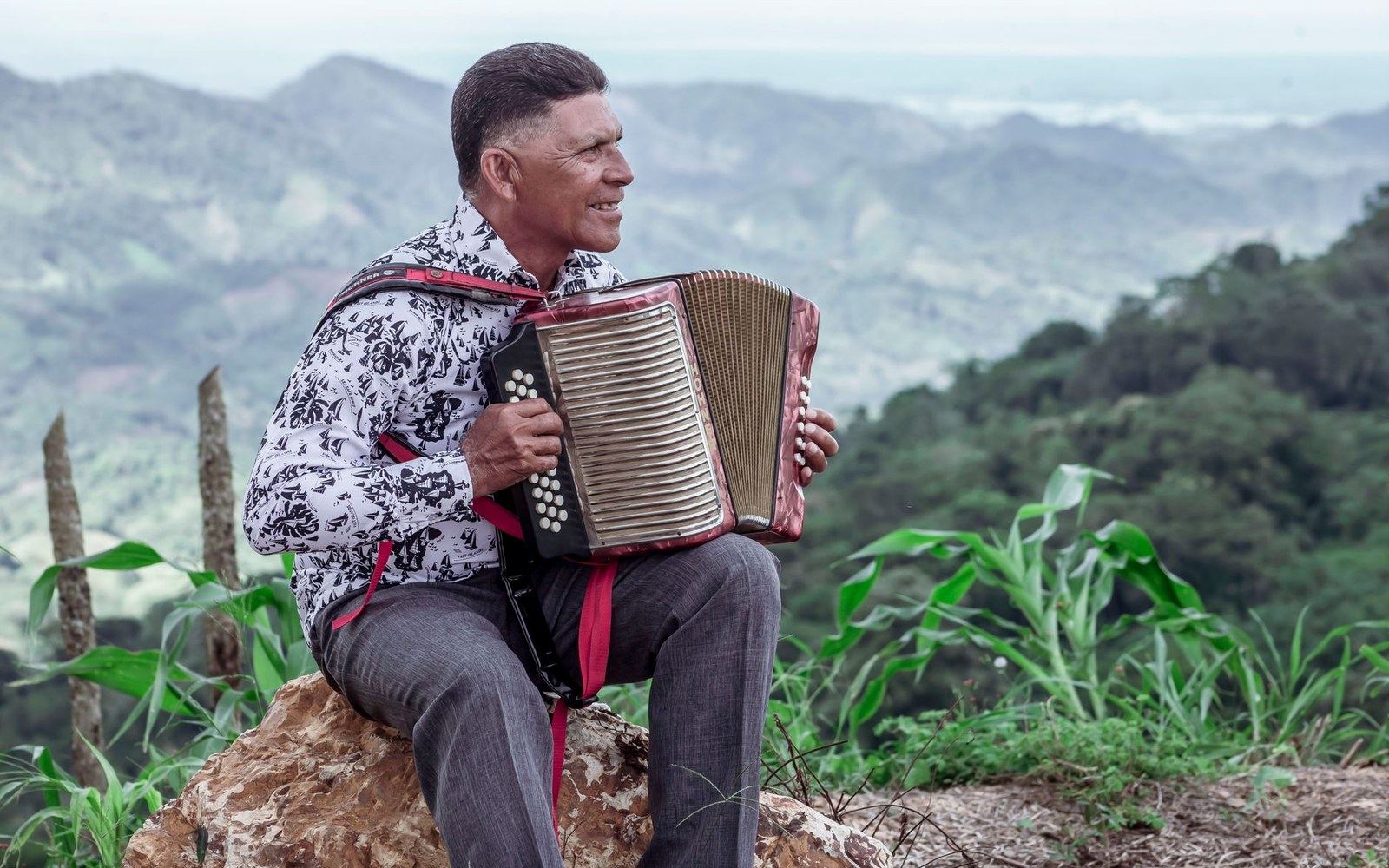
Accordion and bajo sexto — the two instruments that separate norteño from banda.
Photo: FRANK MERIÑO / PexelsThe Movida Madrileña was not a managed cultural programme — it was what happened when an entire city exhaled after nearly four decades of dictatorship.
A Capital Let Loose
Francisco Franco died in November 1975. Within two years, Madrid's bar and basement circuit was hosting something that had no precedent in the city's living memory: bands who dressed strangely, played fast, borrowed from British punk and New Wave without apology, and drank conspicuously in public because they finally could. The Movida Madrileña — loosely, the Madrid Scene — ran from roughly 1977 to the mid-1980s and reshaped Spanish popular music, film, fashion and visual culture in one compressed burst.
The geography was specific. The Malasaña neighbourhood, centred on the Plaza del Dos de Mayo, was the social core — bars open until dawn, pharmacies that turned a blind eye, a concentrated street life that had been impossible under Francoism. Venues like Rock-Ola (a club in the Chamartín district that opened in 1981) and El Sol functioned as stages, rehearsal rooms and social clubs simultaneously. Attendance at a show there was itself a political act dressed as a night out.
Brass and requinto on a small stage: the format radio files as regional Mexican.
Photo: Caleb Oquendo / PexelsThe acts who defined the period were stylistically promiscuous. Alaska y los Pegamoides — fronted by Olvido Gara, known professionally as Alaska — played a brittle post-punk that owed as much to Siouxsie and the Banshees as to anything Spanish, and their 1980 debut single became an early marker of the movement's aesthetic. Radio Futura, led by Santiago Auserón, worked a more literary seam: their 1984 album La ley del desierto / La ley del mar drew on Cuban son rhythms and García Lorca in equal measure, producing something that sounded like no other Spanish rock act of the period. Mecano — brothers José María and Nacho Cano with singer Ana Torroja — were the commercial peak of the era, reaching Latin American audiences with a synth-pop accessibility that the rawer Movida acts never sought. Their catalogue sold across the Spanish-speaking world and earned certifications from multiple territories well into the 1990s.
Crucially, the Movida had institutional enablers. The Socialist mayor of Madrid, Enrique Tierno Galván, who governed the city from 1979 until his death in 1986, actively supported the scene as part of a broader democratic normalisation project — a rare case of a municipal authority funding rather than policing a counterculture. The filmmaker Pedro Almodóvar, who shot his early features inside the same social circuit, carried the Movida's visual language to international audiences through his work at El Deseo, the production company he founded with his brother.
What Burned Out and What Stayed
By 1985 the energy had visibly dissipated. The economic conditions that made Malasaña cheap enough to colonise were changing; the novelty of cultural freedom was becoming ordinary cultural life, which is to say the Movida had done its job. Heroin was by then doing serious damage to the community that had built the scene, and several of its central figures died young in the years that followed.
Chronology
- November 1975 — Franco dies; transition period begins
- 1977 — first wave of Movida acts begin performing in Malasaña bars
- 1979 — Enrique Tierno Galván becomes mayor of Madrid; backs the scene culturally
- 1980 — Alaska y los Pegamoides release their debut single
- 1981 — Rock-Ola opens in Arganzuela district
- 1984 — Radio Futura release La ley del desierto / La ley del mar
- c. 1985 — scene widely considered to have peaked and begun dispersing
- 2021 — C. Tangana's El Madrileño draws on the eclecticism the Movida normalised
What the movement bequeathed was structural rather than stylistic. It created a Madrid infrastructure — venues, fanzines, a recording ecosystem — that subsequent generations inherited. When C. Tangana built El Madrileño (2021) from copla, bolero and flamenco sources, he was working inside a city whose appetite for genre-crossing eclecticism had been trained by forty years of post-Movida practice. The SGAE, Spain's primary collecting society, collects royalties today on a publishing catalogue that begins with the songwriters who first registered works in that era.
Spanish-language music has a recurring pattern: a compressed, location-specific explosion that rewires what seems possible, followed by a long commercial digestion. Primavera Sound now books Madrid-rooted acts for international audiences who encounter them stripped of this history. The Movida is, at this point, far enough in the past to have been museumified — there are retrospective exhibitions, academic programmes, commemorative plaques on Malasaña walls. None of that changes the basic fact: the years between 1977 and the mid-1980s established that Madrid could produce popular music on its own terms, in Spanish, without translating itself for any external audience. That remains the operating assumption of the city's scene today.
Key places
- Malasaña / Plaza del Dos de Mayo — neighbourhood at the social centre of the movement
- Rock-Ola — converted warehouse venue, Arganzuela district, opened 1981
- El Sol — club venue, central Madrid, key Movida stage